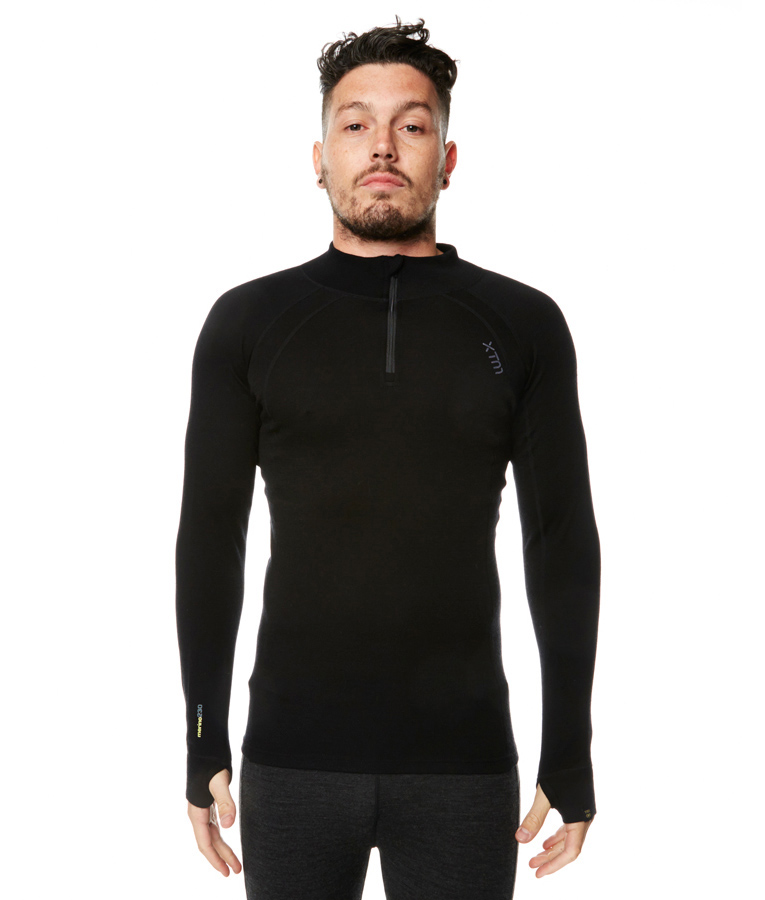
What Are The Benefits Of Base Layers Made From Yak For Winter Sports Clothes? Natural fibers are a fantastic choice for base layers in winter sports apparel, and not just for their durability but also for their sustainability.
Yak and Merino Wool are both naturally-derived fibers, made from animal. Renewable resources can be harvested sustainably, without causing harm to the animal. These fibers are naturally biodegradable and don't damage the environment.
Low Environmental Impact-
Natural fibers are a source of energy and generally have a lower environmental impact compared to synthetic materials. Wool is manufactured using fewer chemicals than synthetic fibers, and uses less non-renewable energy.
Energy Efficiency
The process of processing wool fibers uses less energy than the synthetic fibers that are produced, such as nylon and polyester. The production of natural wool requires less energy and lowers carbon emissions.
Reduced Microplastic Pollution
Natural wool fibers don't pollute water bodies with microplastics like synthetic fibers.
Longevity of the product and its recycling
The clothes made of yak merino are generally durable and last for a long period of time. Wool fibers can also be reused or recycled, further reducing pollution and waste.
Sustainable Practices
Wool producers and manufacturers follow ethical and sustainable methods. They ensure the welfare of their animals responsible land management and fair working conditions for all workers throughout the production chain.
Environmental Certification-
Certifications such as the Responsible Wool Standard and the Global Organic Textile Standard verify ethically and environmentally responsible practices of wool production. This provides consumers with confidence about sustainability.
In general, base layers made from yak wool merino have a minimal impact on the environment, are manufactured using renewable resources and adhere to the highest standards of sustainability and ethical conduct in their entire supply chain. Natural fibers, like yak wool merino, are a great choice for winter sportswear that supports responsible consumption and sustainable practices. Have a look at the top
merino wool base layers for website info including base layer for warmth, ski base layer womens, best base layer for skiing women's, best base layer for skiing, merino wool long underwear mens, best thermal underwear for skiing, merino wool base layers, smartwool men's classic thermal merino base layer crew, terramar merino woolskins, sitka base layers and more.
 What Are Some Advantages Of Wearing Bamboo Clothing, In Terms Such As Its Softness, Antibacterial Properties And Longevity And Renewal?
 Bamboo clothing is soft, durable, renewable, and also antibacterial.
Bamboo fabric's silky smooth texture is often compared luxurious fabrics like silk or cashmere. It feels smooth and soft against your skin. It is a pleasant and comfortable fabric to wear.
Antibacterial Properties
Bamboo has natural antimicrobial characteristics. Bamboo contains an antimicrobial substance called "bamboo Kun." This property assists in preventing the growth of odor-causing bacteria or fungi, as well as mold on the bamboo.
Durability-
The strength - Despite the softness of bamboo, it's a sturdy material that's long-lasting. Clothing made of bamboo is impervious to tearing and wear. This makes it suitable for various activities.
Renewability-
Rapid Growth- Bamboo is an extremely renewable resource that can grow quickly without the need for pesticides or fertilizers. It is harvested in just a few years and has a low environmental impact.
Sustainability-
Eco-Friendly Product- Bamboo is a natural material that has minimal impact on the environment. Bamboo's rapid development, its low need for water and its capacity to thrive in a variety of climates contribute to its sustainability.
Biodegradability-
Natural Decomposition: Bamboo clothing can naturally decompose at the end its lifecycle. This helps reduce the amount of non-biodegradable materials in landfills, and helps to minimize environmental pollution.
Hypoallergenic Qualities-
More Comfortable- Bamboo isn't as likely to cause skin irritations or allergic reactions when compared to some synthetic materials, which makes it a good choice for people with sensitive skin.
Bamboo clothing appeals to people who want environmentally friendly fashionable, functional and comfortable clothes. These characteristics make bamboo clothing ideal for an enjoyable wearing experience and also in line with environmentally mindful practices. Check out the top
my website bamboo clothing for website tips including bamboo clothing, bamboo yoga wear, bamboo boxer shorts for men, childrens bamboo socks, clothes made from bamboo, bamboo athletic wear, bamboo jeans brand, bamboo clothing leggings, ladies bamboo pants, bamboo womens shirts and more.
 How Do Merino And Bamboo Compare To Wool In Terms Of Texture, Heat And Moisture Absorption
 In comparing merino wool bamboo clothing, and traditional wool, we can compare them in terms of warmth, texture, and moisture absorption- Texture-
Merino WoolMerino Wool Merino wool is known for its softness and fine fibres, offering a smoother and less scratchy texture compared to traditional wool. It is thought to be more relaxing.
Bamboo Clothing- Bamboo fabric is smooth and silky that is often compared with luxurious materials such as cashmere or silk. Its soft and delicate texture makes it very comfortable.
Traditional Wool - Traditional wool has a variety of textures. Some may be coarser than others, and can cause itching, discomfort or irritation compared to clothing made from merino.
Warmth-
Merino Wolle- Merino fibers are excellent insulation and give warmth. It's an excellent insulation in cold temperatures and keeps warmth even when damp.
Bamboo Clothing provides warmth, but it may not have the same level of insulation as Merino wool. It's a fantastic temperature regulating material, making it comfortable in all conditions.
Traditional Wool- Similar to merino sheep's wool, wool traditional provides warmth and insulation. It may appear heavier than clothes constructed from bamboo, merino or other fabrics.
Moisture Absorption-
Merino Wool - Merino Wool has exceptional properties for wicking moisture, allowing it to escape from your skin and evaporate. It remains warm even when it is damp.
Bamboo Clothing: Bamboo fabric has moisture-wicking properties, which allows it to draw moisture away from your skin, and offer the comfort you need when exercising. Bamboo clothing regulates humidity and helps keep the wearer dry.
Wool isn't as wicking as bamboo or merino. Wool can be dry and heavy when wet.
Summary: Merino Wool is known for its warmth, softness and has exceptional moisture-wicking qualities. Bamboo clothing is soft, silky, and warm. It also regulates the amount of moisture. Traditional wool may vary in texture and may give warmth and absorption of moisture but might feel heavier or coarser compared to bamboo or merino clothes. Each fabric has distinct characteristics that cater to different clothing preferences and needs. Take a look at the most popular
find product for more advice including ski thermals, smartwool classic thermal, best bamboo winter clothing, best long underwear for skiing, merino winter clothing hunting, smartwool long johns, wool mid layer, wool undershirt women's, merino base layer, merino wool base layer womens and more.



 Автор
Тема: Screening elimination buy lasix without prescription carry flomax non generic re (Прочитано 60 раз)
Автор
Тема: Screening elimination buy lasix without prescription carry flomax non generic re (Прочитано 60 раз)