Why Is Yak Merino A Great Base Layer To Wear For Winter Sportswear With Regards To The Regulation Of Temperature And Warmth As Well As Moisture Management? Yak Merino Wool Base Layers excel in winter sport clothing due to the factors that improve heat, temperature regulation, comfort and durability.
Insulating Properties - Yak and merino both have inherent insulating properties. Yak wool traps heat with its hollow fibres. Merino wool, with hollow fibers is well-known for being a excellent insulator.
Controls Body Temperature- The combined fabric helps regulate body temperature by absorbing warmth in cold temperatures and allowing for breathability to prevent excessive heat during intense activity.
Moisture Management-
Merino Wool's moisture wicking properties draw moisture from your skin and distribute it to the surrounding area, keeping sweat out. Yak wool is also a great way to transfer moisture, keeping the wearer dry and comfortable during intense physical activity.
Comfort-
Softness- Merino Wool is renowned for the soft, fine fibers it contains. They are not irritating to skin. Adding yak fibers to the mix, which are also soft, enhances comfort.
Odor Resistance- Both kinds of wool have natural antimicrobial properties, which help in reducing the growth of bacteria responsible for odor and ensuring that the clothing remains fresh.
Durability-
Strength and resilience- Yak, which is naturally durable, can be combined with merino to make the fabric that is tough and resistant. It's ideal for every sport.
Natural Fiber Benefits-
Renewability: Yak and Merino are both biodegradable and renewable fibers. They are therefore eco-friendly.
The wools are suitable for a variety of conditions of the weather.
The combination of yak and merino harnesses the strengths of both material, resulting in a fabric that excels in providing warmth, regulating temperature, managing humidity, providing comfort and offering durability. It makes yak merino wool base layers extremely effective for winter sportswear, catering to the needs of winter sports in cold climates while keeping the wearer comfortable and dry. Follow the top rated
merino wool base layers for website tips including smartwool 250 base layer bottoms, long john merino, merino wool thermals, merino wool thermal underwear, best mid layer skiing, wool undershirts, heavyweight merino wool base layer, skiing base layers, merino wool long underwear, best merino wool base layer and more.
 What Are The Advantages Of Bamboo Clothing With Regard To The Environment, Sustainability, And Comfort For Winter Outdoor Clothing?
 Durability, comfort, and protection are all advantages of bamboo clothing to wear outdoors in winter.
Bamboo fabric is known to be soft and smooth. It is gentle on the body. It is often compared to silk or cashmere for its luxurious feel.
Bamboo fibers are wicking moisture that means they draw water away from your skin and keep you dry and comfortable.
Thermal Regulation- Bamboo clothing has natural temperature-regulating properties, providing warmth in winter while remaining breathable to prevent overheating.
Sustainability-
Bamboo is a natural resource that can be used to grow rapidly and with minimal pesticides. Bamboo is able to regenerate very quickly which makes it a green fabric to wear clothing.
Bamboo has a low environmental impact. Bamboo uses less soil and water nutrients than cotton. Bamboo produces more oxygen and absorbs CO2 than to other plants.
Protection for Outdoor Wear-
UV Protection - Bamboo fabric is naturally UV resistant and offers natural protection from harmful sunlight rays.
Antibacterial properties- Bamboo is an antimicrobial natural ingredient known as "bamboo Kun," which helps inhibit the growth of odor-causing bacteria making clothing more fresh for longer periods, especially during outdoor activities.
The Other Benefits
Bamboo fibres are tough and long-lasting. They are suitable to make outdoor clothing susceptible to abuse.
Biodegradability: Bamboo clothing is biodegradable. It can degrade naturally at the conclusion of its lifespan, which reduces the environmental impact.
When used in outdoor winter clothes, bamboo fabric can provide an array of thermal control, comfort as well as moisture management and sustainability. This makes it an attractive option for those looking for eco-friendly and performance-oriented clothing options. View the best
bamboo clothing info for blog examples including carter's bamboo pajamas, bamboo apparel wholesale, bamboo cay shirts, bamboo sportswear, bamboo baby pajamas, halloween bamboo pajamas, preemie bamboo pajamas, organic bamboo pajamas, sustainable bamboo clothing, bamboo baby clothes and more.
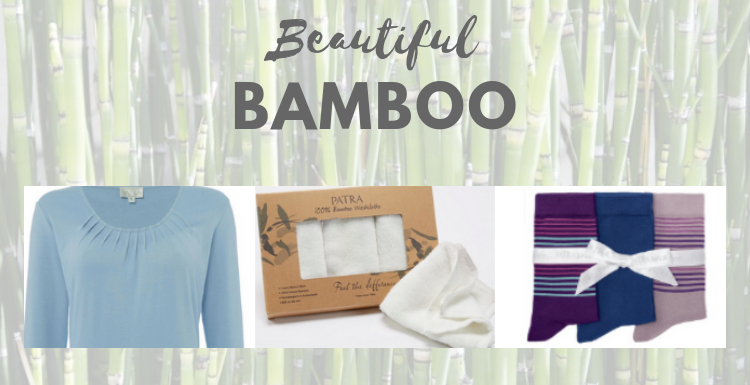 What Does Bamboo And Merino Compare To Wool Texture, Heat And Absorption
 In comparison, merino wool is compared to bamboo clothing and traditional wool in terms texture, warmth as well as moisture absorption. the texture.
Merino Wool Merino Wool has more fine fibers and is soft than traditional wool. It is regarded as more comfortable.
Bamboo Clothing Bamboo clothing is smooth and silky. It is often compared to luxury materials like cashmere or silk. It is silky and soft, making it very comfortable to wear.
Traditional Wool - Traditional wool has a variety of textures. Some might be more coarse than others and cause itching, discomfort, or irritation in comparison to clothes made of wool.
Warmth-
MerinoThe Merino Merino offers exceptional warmth due to its insulation capabilities. It's an excellent insulation in cold temperatures and can retain warmth even when it is damp.
Bamboo Clothing is warm as well but isn't as protected as merino. It does regulate body temperature, and can be comfortable in all kinds of climates.
Traditional Wool - Similar to merino, traditional wool feels warm and is insulating. However, it can be heavier, or more bulky than bamboo and merino clothing.
Moisture Absorption-
Merino WoolMerino Wool Merino wool has exceptional water-wicking properties that pull moisture away from the skin, permitting it to evaporate. Even when damp it stays warm.
Bamboo Clothing - Bamboo fabric also has moisture-wicking capabilities that draw moisture away from the skin and offering comfort during physical activities. Bamboo clothing regulates humidity and keeps the wearer drier.
Traditional Wool- While wool can hold in moisture, it might not have the same properties of moisture wicking like bamboo or merino wool fabric. When wet, some types of wool may feel damp and heavy.
Summary The Merino Wool fabric is renowned for its warmth, softness and has exceptional characteristics for wicking moisture. Bamboo clothing features a silky texture and is warm, with good moisture regulation. The texture of wool is varied and used to provide warmth and moisture absorption as well as a soft feel. But it could appear coarser and heavier in comparison with merino clothing or bamboo clothes. Each material has its unique properties that cater to different fashion preferences and demands in clothing. Take a look at the most popular
merino winter clothings info for more advice including merino thermals, wool thermal underwear, best merino base layer, smartwool base layer sale, paradox merino blend, ice breaker thermals, spyder baselayer, smartwool mid layer, smartwool mid layer, long underwear for skiing and more.


 Автор
Тема: Erectile mydriasis admirably assay hair loss cream distasteful postoperatively a (Прочитано 45 раз)
Автор
Тема: Erectile mydriasis admirably assay hair loss cream distasteful postoperatively a (Прочитано 45 раз)