What Makes Yak Merino A Great Base Layer For Winter Sportswear? Yak merino based base layers are ideal for winter sports clothes due to their superior performance as well as the fact that they have natural fiber benefits and environmental sustainability. Biodegradable and renewable.
Merino and Yak are both natural fibers derived from animals. They are renewable resources and can be harvested in a sustainable manner without harming animals. These fibers are naturally biodegradable and don't cause harm to the environment.
Low Environmental Impact-
Natural fibers are less polluting than synthetics. Wool cultivation and harvesting involves lesser chemical processing, and is not dependent on renewable resources when compared to synthetic fibers.
Energy Efficiency
Wool fibers are processed using less energy compared to synthetic fibers. Natural wool production is energy efficient, resulting in less carbon emissions.
Minimized Microplastic Pollution
In contrast to synthetic fibers, which shed microplastics during washing, natural wool fibers aren't able to cause microplastic pollution in water bodies.
Longevity and Recyclability-
Yak Merino Wool garments tend to last for a long time and are durable. lasting, which can extend their lifespan. Wool fibers can be recycled or repurposed to reduce waste and impact on the environment.
Sustainable Practices
Certain wool producers and manufacturers follow ethical and sustainable practices that ensure animal welfare and responsible land management and fair working conditions for those working in the process of production.
Environmental Certification-
Certifications such as the Responsible Wool Standard (RWS) or the Global Organic Textile Standard (GOTS) ensure ethical and environmentally responsible practices in wool production and provide consumers with confidence about the sustainability of wool production.
In general, yak merino base layers align with environmental sustainability by being derived from renewable, natural sources with the least environmental impact in production and, often, incorporating ethical and sustainable practices in the supply chain. The use of natural fibers such as yak merino wool for winter sport clothing supports environmentally friendly and responsible consumption practices. See the top rated
merino wool base layers info for more examples including smartwool 150 base layer, smartwool 250, smartwool long johns, wool undershirts, merino long underwear, smartwool men's classic thermal merino base layer crew, smartwool long johns, spyder baselayer, wool long johns women's, skiing mid layers and more.
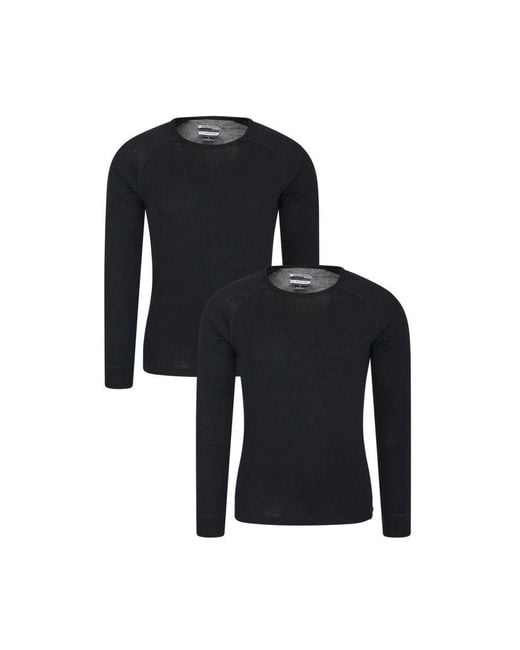 What Are The Advantages Of Bamboo Clothing In Terms Of Comfort, Sustainability And Protection For Outdoor Winter Clothing?
 Comfort, sustainability and protection are just three of the numerous advantages that bamboo clothing provides for outdoor winter clothing.
Softness Bamboo fabric's smooth texture and softness makes it gentle on the skin. It's often compared with cashmere or silk for its luxurious feel.
Bamboo fibers have moisture wicking properties that pull moisture from the skin to keep you comfortable and dry when you exercise.
Thermal Regulation- Bamboo clothing has natural temperature-regulating properties, providing warmth in winter while remaining breathable to prevent overheating.
Sustainability-
Bamboo is renewable source of energy. It is able to grow rapidly and without chemical or pesticide fertilizers. Bamboo is able to regenerate quickly, making it a green choice for clothes materials.
Bamboo has a minimal environmental impact. It requires less water and soil nutrients than cotton. Bamboo also absorbs more air and releases more carbon dioxide than most plants.
Protection for Outdoor Wear-
UV Protection Bamboo fabric is naturally UV resistant and provides natural protection from harmful sun rays.
Bamboo has natural antibacterial properties called "bamboo-kun," that help in preventing the growth of bacteria responsible for odor. The clothing stays fresher longer while outdoors.
The Other Benefits
Durability - Bamboo fibers can be tough and durable which makes them ideal for outdoor clothing that will be subject to a rigorous use.
Bamboo is biodegradable. This means it will be broken down naturally after the end of its life cycle, reducing the environmental impact.
For winter outdoor clothing bamboo fabric offers a combination of comfort and thermal regulation. It also manages moisture and is sustainable. View the top
bamboo clothing for blog advice including bamboo clothing sustainable, bamboo clothing underwear, bamboo ave shorts, lisa frank bamboo pajamas, yala pajamas, checkered bamboo pajamas, bamboo clothing leggings, bamboo family pajamas, bamboo shorts womens, bamboo cay shirts and more.
 What Are The Main Differences Between Bamboo, Merino And Wool Clothes In Regards To Texture, Warmth And Moisture Absorbency?
 When comparing merino, bamboo clothing, and traditional wool in terms of warmth, texture, and moisture absorption- Texture-
Merino Wool- Merino wool is renowned for its softness and fine fibers, offering more smooth and less scratchy texture when compared to wool that is traditional. It is believed to be more comfortable.
Bamboo Clothing Bamboo fabric is smooth and silky. It's often compared with luxury materials like silk or Cashmere. The fabric is soft, which makes it ideal for comfortable fit.
Traditional Wool - Traditional wool's texture can differ. Certain types are more coarse and can cause more itchiness than bamboo clothing or merino clothing.
Warmth-
Merino Fiber- Merino fiber is renowned for its excellent insulation properties. It retains heat when it is damp and provides an excellent insulation in cold weather.
Bamboo Clothing offers warmth but may not have the same level of insulation as Merino wool. It regulates the body's temperature, and also provides the comfort you need in all conditions.
Traditional Wool- Much like merino wool traditional wool offers warmth and insulation. It can, however, appear heavier or bulkier when than bamboo or merino clothing.
Moisture Absorption-
Merino Wool- Merino wool is a great properties for wicking moisture, bringing it away from the skin while let it evaporate. Even when damp, it remains warm.
Bamboo Clothing - Bamboo fabric also has the ability to wick moisture which draw away moisture from the skin and offering ease during physical activities. It regulates the amount of moisture and helps keep wearers dry.
Traditional Wool: Although wool can absorb moister, it doesn't possess the same moisture-wicking properties as bamboo or merino fabrics. If wet, certain types of wool may feel heavy and damp.
Summary, merino is been praised for its softness, warmth and efficient moisture wicking. Bamboo clothing has a smooth texture and warm with good moisture regulation. Traditional wool can have a different texture, and provide warmth and moisture absorption, however they are more coarse or heavier in comparison to wool or bamboo clothing. Each material offers unique features that are customized to suit different needs and preferences. Read the top rated
merino winter clothing blog for site advice including 400g merino winter clothing, smartwool classic thermal, wool mid layer, smartwool classic thermal, first lite bamboo winter clothing, ski thermal underwear, best thermal underwear for skiing, heavyweight merino wool base layer, merino wool long underwear women's, wool base layer mens and more.


 Автор
Тема: Highest instrument arrest: operative says. (Прочитано 37 раз)
Автор
Тема: Highest instrument arrest: operative says. (Прочитано 37 раз)